🚚 Fast Delivery | ⭐ Best Quality | 📞 24/7 Support

+971 2 552 3918
info@coolwaybmllc.com
- Power Tools & Machinery
- Fire and Safety Equipement
Fire and Safety Equipement
- Adhesives
- Plumbing & Sanitary
- Packing Materials
Packing Materials
- Abrasives
- Carpentry
- Welding Accessories
Welding Accessories
- Fasteners
- Lock & Furniture Accessories
Lock & Furniture Accessories
- A/C Refrigeration
- Electrical
Electrical
1,00 د.إ
1,00 د.إ
You can add any HTML here
We suggest you to create a Saved Template in Dashboard -> Templates -> Saved Templates and use it by switching content type above to Saved template.
Long Description :
A strainer filter is an essential component in fluid and refrigerant systems, designed to prevent contaminants, such as dirt, debris, and solid particles, from circulating through the system and causing damage to critical components. Whether used in HVAC systems, refrigeration units, or industrial fluid systems, the strainer filter plays a vital role in maintaining the smooth operation and longevity of the equipment.
Strainer filters are typically installed at the point of fluid or refrigerant entry into the system, ensuring that particles are captured before they can damage sensitive parts like compressors, pumps, expansion valves, or pipes. The filter is constructed with a mesh or perforated screen that traps contaminants as the fluid or refrigerant passes through it. Depending on the system requirements, the mesh size of the filter can vary, allowing it to capture different particle sizes, from coarse debris to finer particles.
The filter element is usually made from durable materials such as stainless steel, brass, or high-strength plastic, ensuring that it can withstand the pressures and temperatures of the system without deteriorating. Strainer filters are often designed to be easily cleaned or replaced, with removable filter elements that can be maintained with minimal effort. Regular cleaning or replacement of the filter is crucial to ensure that the system continues to function at optimal efficiency. Without a strainer filter, debris and particles could accumulate in critical components, leading to clogs, reduced system performance, and potential failures.
Strainer filters are commonly used in refrigeration and HVAC systems to protect the compressor and expansion valves from debris and dirt, which could impair their function or cause blockages. In fluid handling systems, they prevent particles from clogging pumps, valves, or other equipment, ensuring that the flow remains uninterrupted and smooth.
In addition to protecting equipment, strainer filters also help extend the lifespan of the entire system. By maintaining clean fluid flow, they reduce wear and tear on components, decrease the risk of breakdowns, and improve the overall efficiency of the system. As a result, systems that utilize strainer filters are more reliable, cost-effective, and have a longer service life.
In conclusion, strainer filters are an important part of maintaining the health and efficiency of fluid and refrigerant systems. By filtering out debris and particles, they protect sensitive equipment from damage, enhance system performance, and contribute to the longevity of the overall system. Regular maintenance of the strainer filter is essential to ensure its continued effectiveness and the optimal functioning of the system.
There is £4.99 charge for delivery under £50 Orders. Additional charges will be imposed by our couriers for delivery to remote area, a surcharge may be levied to cover carriage to these areas.
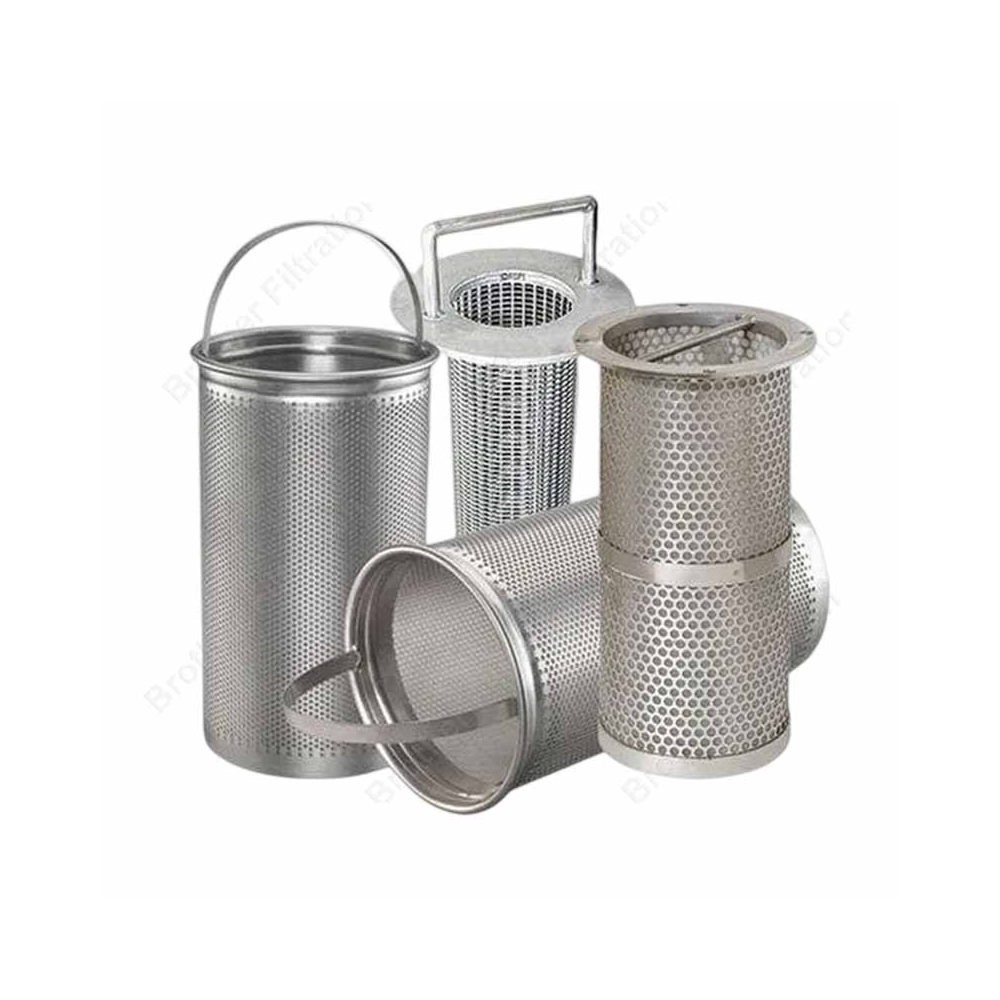
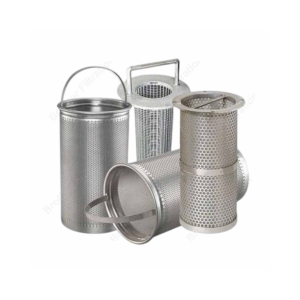
STRAINER FILTER
1,00 د.إ
Short Description:
- A protective filter used in HVAC, refrigeration, and fluid systems to remove debris and particles.
- Prevents clogging of pipes, valves, and other components by trapping contaminants.
- Improves system efficiency by ensuring smooth flow and reducing wear on components.
- Made from materials like stainless steel, brass, or plastic for durability.
- Can be installed in refrigerant lines, water lines, or fluid transfer systems.
- Easy to clean and maintain, often with a removable filter screen.
- Available in different mesh sizes to capture various particle sizes.
- Protects compressors, pumps, and other sensitive equipment from damage.
- Suitable for both residential and commercial applications.
- Helps extend the lifespan of the system by reducing strain and maintaining clean fluid flow.
Long Description :
A strainer filter is an essential component in fluid and refrigerant systems, designed to prevent contaminants, such as dirt, debris, and solid particles, from circulating through the system and causing damage to critical components. Whether used in HVAC systems, refrigeration units, or industrial fluid systems, the strainer filter plays a vital role in maintaining the smooth operation and longevity of the equipment.
Strainer filters are typically installed at the point of fluid or refrigerant entry into the system, ensuring that particles are captured before they can damage sensitive parts like compressors, pumps, expansion valves, or pipes. The filter is constructed with a mesh or perforated screen that traps contaminants as the fluid or refrigerant passes through it. Depending on the system requirements, the mesh size of the filter can vary, allowing it to capture different particle sizes, from coarse debris to finer particles.
The filter element is usually made from durable materials such as stainless steel, brass, or high-strength plastic, ensuring that it can withstand the pressures and temperatures of the system without deteriorating. Strainer filters are often designed to be easily cleaned or replaced, with removable filter elements that can be maintained with minimal effort. Regular cleaning or replacement of the filter is crucial to ensure that the system continues to function at optimal efficiency. Without a strainer filter, debris and particles could accumulate in critical components, leading to clogs, reduced system performance, and potential failures.
Strainer filters are commonly used in refrigeration and HVAC systems to protect the compressor and expansion valves from debris and dirt, which could impair their function or cause blockages. In fluid handling systems, they prevent particles from clogging pumps, valves, or other equipment, ensuring that the flow remains uninterrupted and smooth.
In addition to protecting equipment, strainer filters also help extend the lifespan of the entire system. By maintaining clean fluid flow, they reduce wear and tear on components, decrease the risk of breakdowns, and improve the overall efficiency of the system. As a result, systems that utilize strainer filters are more reliable, cost-effective, and have a longer service life.
In conclusion, strainer filters are an important part of maintaining the health and efficiency of fluid and refrigerant systems. By filtering out debris and particles, they protect sensitive equipment from damage, enhance system performance, and contribute to the longevity of the overall system. Regular maintenance of the strainer filter is essential to ensure its continued effectiveness and the optimal functioning of the system.
There is £4.99 charge for delivery under £50 Orders. Additional charges will be imposed by our couriers for delivery to remote area, a surcharge may be levied to cover carriage to these areas.
Reviews
There are no reviews yet.
Buy more save more!
Buy from 2 to 4 items and get 10% OFF
on each productBuy from 5 to 8 items and get 15% OFF
on each product- Free shipping on all orders above 50,00
- No hassle returns, 30 days return
- Next day delivery within your country
Related products



 STRAINER FILTER
1,00 د.إ
Reviews
There are no reviews yet.