🚚 Fast Delivery | ⭐ Best Quality | 📞 24/7 Support

+971 2 552 3918
info@coolwaybmllc.com
- Power Tools & Machinery
- Fire and Safety Equipement
Fire and Safety Equipement
- Adhesives
- Plumbing & Sanitary
- Packing Materials
Packing Materials
- Abrasives
- Carpentry
- Welding Accessories
Welding Accessories
- Fasteners
- Lock & Furniture Accessories
Lock & Furniture Accessories
- A/C Refrigeration
- Electrical
Electrical
1,00 د.إ

1,00 د.إ
You can add any HTML here
We suggest you to create a Saved Template in Dashboard -> Templates -> Saved Templates and use it by switching content type above to Saved template.
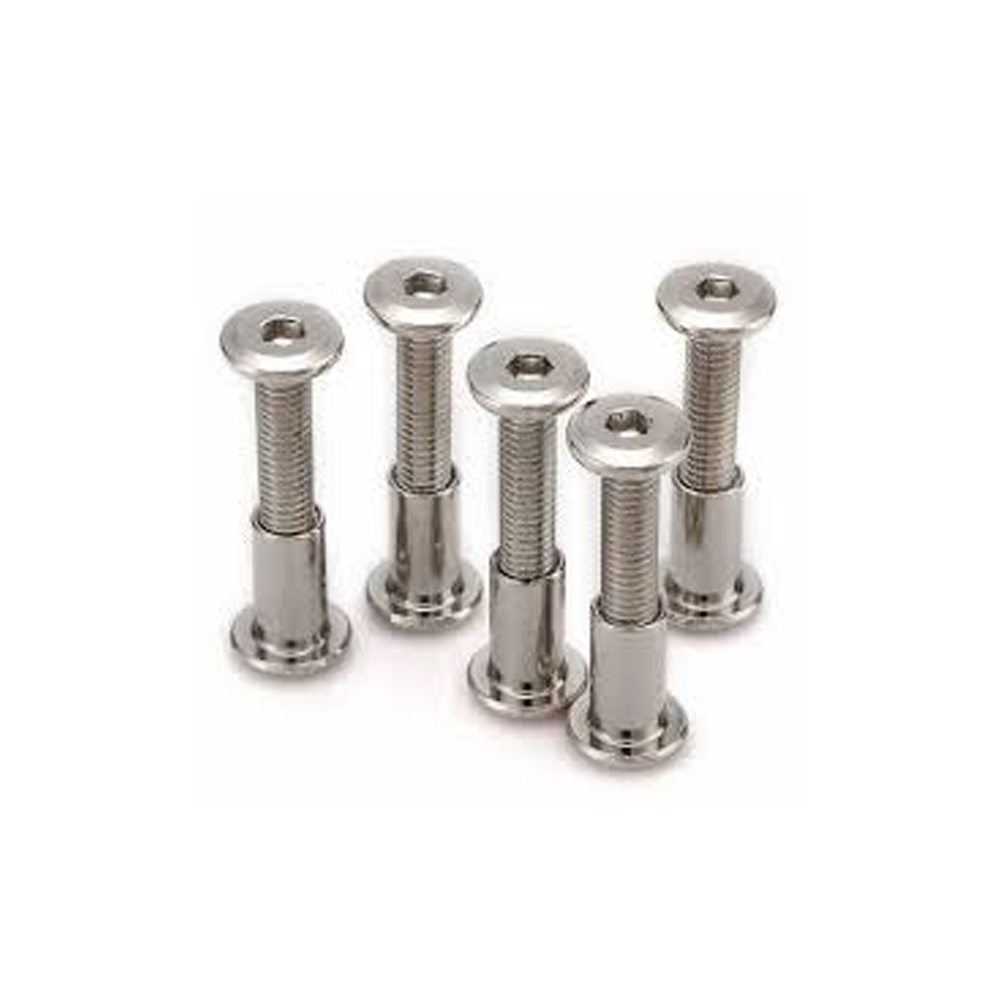
A joint connector is a hardware component designed to securely link two or more parts or elements together, ensuring the overall stability, alignment, and functionality of the assembly. These connectors are used extensively in a variety of industries, including construction, furniture manufacturing, mechanical engineering, and electrical systems. The primary purpose of a joint connector is to provide a reliable method for joining components in a way that they function as a unified structure.
Types of Joint Connectors
There is a wide range of joint connectors available, each suited for different applications and materials. Common types include:
- Bolts and Screws: Often used in construction and mechanical assemblies, these fasteners pass through holes in the components and are tightened with a nut or another fastening device.
- Dowels: Typically used in woodworking, dowels are cylindrical rods inserted into corresponding holes to join pieces of wood or other materials.
- Brackets: L-shaped metal or plastic connectors that reinforce corners and joints, providing additional support for furniture and structural elements.
- Cam Locks: Often used in flat-pack furniture, cam locks allow for quick and secure assembly without the need for visible fasteners.
Joint connectors can be made from various materials, depending on the strength and environmental conditions required. Metal connectors, such as those made from steel, stainless steel, or aluminum, offer superior strength and are typically used in heavy-duty applications like construction or machinery. For lighter-duty tasks, such as furniture assembly or some types of cabinetry, plastic or composite connectors may be used, providing sufficient strength at a lower cost and weight.
Joint connectors are crucial in a range of industries. In furniture manufacturing, connectors help assemble pieces like cabinets, chairs, and desks. In construction, they are used to link beams, trusses, and other structural components. They also play a significant role in mechanical and electrical systems, where components must be securely joined for safety and functionality.
The main benefits of joint connectors include ease of installation, secure and stable connections, and the ability to disassemble and reassemble as needed. These connectors are versatile, allowing for a wide variety of joint types and materials to be used in different applications.
While joint connectors offer significant advantages, they may require precise alignment during installation, particularly in applications like woodworking or mechanical assemblies. Additionally, some connectors may be visible or require additional hardware, which can detract from the aesthetics or add complexity to the assembly process
There is £4.99 charge for delivery under £50 Orders. Additional charges will be imposed by our couriers for delivery to remote area, a surcharge may be levied to cover carriage to these areas.
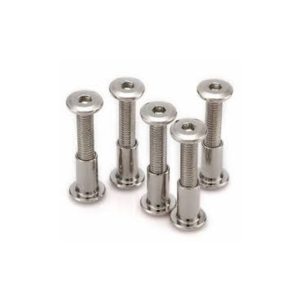
Joint Connector
1,00 د.إ
- Definition: A joint connector is a hardware device used to join two or more parts or components together, ensuring structural integrity and alignment.
- Function: Provides secure, stable connections for structural elements in various applications, such as furniture, construction, and machinery.
- Types: Common types include bolts, dowels, screws, brackets, and cam locks.
- Materials: Made from metals like steel or aluminum, or from plastic, depending on strength, durability, and environmental needs.
- Applications: Used in furniture assembly, woodworking, construction, electrical, and mechanical systems.
- Advantages:
- Simple to install and remove for repairs or adjustments.
- Can be used in a variety of applications and materials.
- Provides strong, secure connections.
- Disadvantages: Some connectors may require precise alignment; can be visible or require additional hardware like screws or bolts.
A joint connector is a hardware component designed to securely link two or more parts or elements together, ensuring the overall stability, alignment, and functionality of the assembly. These connectors are used extensively in a variety of industries, including construction, furniture manufacturing, mechanical engineering, and electrical systems. The primary purpose of a joint connector is to provide a reliable method for joining components in a way that they function as a unified structure.
Types of Joint Connectors
There is a wide range of joint connectors available, each suited for different applications and materials. Common types include:
- Bolts and Screws: Often used in construction and mechanical assemblies, these fasteners pass through holes in the components and are tightened with a nut or another fastening device.
- Dowels: Typically used in woodworking, dowels are cylindrical rods inserted into corresponding holes to join pieces of wood or other materials.
- Brackets: L-shaped metal or plastic connectors that reinforce corners and joints, providing additional support for furniture and structural elements.
- Cam Locks: Often used in flat-pack furniture, cam locks allow for quick and secure assembly without the need for visible fasteners.
Joint connectors can be made from various materials, depending on the strength and environmental conditions required. Metal connectors, such as those made from steel, stainless steel, or aluminum, offer superior strength and are typically used in heavy-duty applications like construction or machinery. For lighter-duty tasks, such as furniture assembly or some types of cabinetry, plastic or composite connectors may be used, providing sufficient strength at a lower cost and weight.
Joint connectors are crucial in a range of industries. In furniture manufacturing, connectors help assemble pieces like cabinets, chairs, and desks. In construction, they are used to link beams, trusses, and other structural components. They also play a significant role in mechanical and electrical systems, where components must be securely joined for safety and functionality.
The main benefits of joint connectors include ease of installation, secure and stable connections, and the ability to disassemble and reassemble as needed. These connectors are versatile, allowing for a wide variety of joint types and materials to be used in different applications.
While joint connectors offer significant advantages, they may require precise alignment during installation, particularly in applications like woodworking or mechanical assemblies. Additionally, some connectors may be visible or require additional hardware, which can detract from the aesthetics or add complexity to the assembly process
There is £4.99 charge for delivery under £50 Orders. Additional charges will be imposed by our couriers for delivery to remote area, a surcharge may be levied to cover carriage to these areas.
Reviews
There are no reviews yet.
Buy more save more!
Buy from 2 to 4 items and get 10% OFF
on each productBuy from 5 to 8 items and get 15% OFF
on each product- Free shipping on all orders above 50,00
- No hassle returns, 30 days return
- Next day delivery within your country
Related products

 Joint Connector
1,00 د.إ
Reviews
There are no reviews yet.