🚚 Fast Delivery | ⭐ Best Quality | 📞 24/7 Support

+971 2 552 3918
info@coolwaybmllc.com
- Power Tools & Machinery
- Fire and Safety Equipement
Fire and Safety Equipement
- Adhesives
- Plumbing & Sanitary
- Packing Materials
Packing Materials
- Abrasives
- Carpentry
- Welding Accessories
Welding Accessories
- Fasteners
- Lock & Furniture Accessories
Lock & Furniture Accessories
- A/C Refrigeration
- Electrical
Electrical
1,00 د.إ
1,00 د.إ

You can add any HTML here
We suggest you to create a Saved Template in Dashboard -> Templates -> Saved Templates and use it by switching content type above to Saved template.
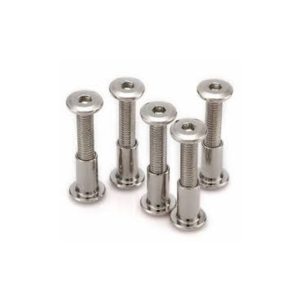
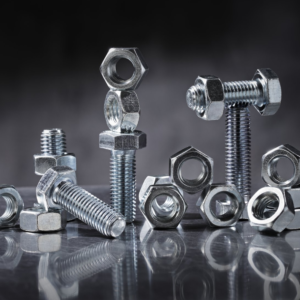
Nuts and bolts are essential fasteners that work together to secure materials or components. A bolt is typically a metal rod with external threads running along its shaft, while a nut is a hexagonal or similarly shaped piece of metal with internal threads. When paired, a bolt passes through a hole in the materials to be fastened, and the nut is threaded onto the bolt, creating a secure fastening. This simple yet effective fastening system is widely used in construction, machinery, automotive, aerospace, and other industries.
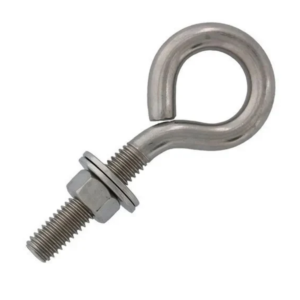
Bolts are typically used in applications where a strong, durable, and adjustable connection is required. They come in various sizes and thread patterns, such as fine thread or coarse thread, depending on the load-bearing and material requirements. The bolt features a head, which can be hexagonal, round, or square, allowing it to be turned with tools like a wrench or socket. The threaded shaft is usually designed to fit into a corresponding nut, ensuring that the materials being fastened are held tightly in place.
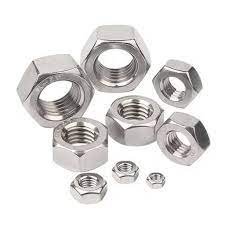
Nuts are the counterpart to bolts, and they are typically made from metal, although plastic or other materials can be used in specific applications. Nuts are most commonly hexagonal in shape, but they also come in various other designs, such as square nuts, wing nuts, lock nuts, or flanged nuts, depending on the specific application. The internal threads of the nut align with the threads on the bolt, and by tightening the nut onto the bolt, a secure connection is achieved. The tightness of the nut and bolt can be adjusted, making them ideal for applications where parts need to be assembled and disassembled repeatedly.
The materials used for nuts and bolts include steel, stainless steel, brass, aluminum, and plastic. The choice of material depends on factors like strength, corrosion resistance, weight, and cost. For example, stainless steel nuts and bolts are preferred in environments where corrosion resistance is important, such as in marine or outdoor applications. Brass nuts and bolts are often used in applications that require non-sparking or corrosion resistance, such as in electrical equipment or plumbing.
The advantages of nuts and bolts include their ability to provide a strong, secure connection that can be easily adjusted or removed when necessary. They are particularly useful in applications that require frequent assembly and disassembly, as they can be reused multiple times. Unlike other fasteners like rivets or welding, nuts and bolts offer a high degree of versatility and ease of maintenance.
In summary, nuts and bolts are fundamental components in many industries, providing a reliable, adjustable, and durable fastening solution. By combining the strength of bolts and the secure grip of nuts, this fastening system offers an essential method for joining materials and ensuring the stability and safety of a wide range of structures and machines.
There is £4.99 charge for delivery under £50 Orders. Additional charges will be imposed by our couriers for delivery to remote area, a surcharge may be levied to cover carriage to these areas.
Nuts and Bolts
1,00 د.إ
- Used together as a fastening system to secure materials or components.
- Common in construction, machinery, automotive, and industrial applications.
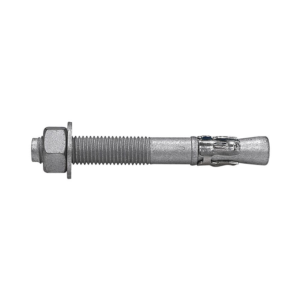
- Bolts have a threaded shaft with a head, while nuts are hexagonal or other shapes with internal threads.
- Made from steel, stainless steel, brass, or other metals, depending on the application.
- Provide a strong, durable, and adjustable fastening solution that allows for easy assembly and disassembly.
Nuts and bolts are essential fasteners that work together to secure materials or components. A bolt is typically a metal rod with external threads running along its shaft, while a nut is a hexagonal or similarly shaped piece of metal with internal threads. When paired, a bolt passes through a hole in the materials to be fastened, and the nut is threaded onto the bolt, creating a secure fastening. This simple yet effective fastening system is widely used in construction, machinery, automotive, aerospace, and other industries.
Bolts are typically used in applications where a strong, durable, and adjustable connection is required. They come in various sizes and thread patterns, such as fine thread or coarse thread, depending on the load-bearing and material requirements. The bolt features a head, which can be hexagonal, round, or square, allowing it to be turned with tools like a wrench or socket. The threaded shaft is usually designed to fit into a corresponding nut, ensuring that the materials being fastened are held tightly in place.
Nuts are the counterpart to bolts, and they are typically made from metal, although plastic or other materials can be used in specific applications. Nuts are most commonly hexagonal in shape, but they also come in various other designs, such as square nuts, wing nuts, lock nuts, or flanged nuts, depending on the specific application. The internal threads of the nut align with the threads on the bolt, and by tightening the nut onto the bolt, a secure connection is achieved. The tightness of the nut and bolt can be adjusted, making them ideal for applications where parts need to be assembled and disassembled repeatedly.
The materials used for nuts and bolts include steel, stainless steel, brass, aluminum, and plastic. The choice of material depends on factors like strength, corrosion resistance, weight, and cost. For example, stainless steel nuts and bolts are preferred in environments where corrosion resistance is important, such as in marine or outdoor applications. Brass nuts and bolts are often used in applications that require non-sparking or corrosion resistance, such as in electrical equipment or plumbing.
The advantages of nuts and bolts include their ability to provide a strong, secure connection that can be easily adjusted or removed when necessary. They are particularly useful in applications that require frequent assembly and disassembly, as they can be reused multiple times. Unlike other fasteners like rivets or welding, nuts and bolts offer a high degree of versatility and ease of maintenance.
In summary, nuts and bolts are fundamental components in many industries, providing a reliable, adjustable, and durable fastening solution. By combining the strength of bolts and the secure grip of nuts, this fastening system offers an essential method for joining materials and ensuring the stability and safety of a wide range of structures and machines.
There is £4.99 charge for delivery under £50 Orders. Additional charges will be imposed by our couriers for delivery to remote area, a surcharge may be levied to cover carriage to these areas.
Reviews
There are no reviews yet.
Buy more save more!
Buy from 2 to 4 items and get 10% OFF
on each productBuy from 5 to 8 items and get 15% OFF
on each product- Free shipping on all orders above 50,00
- No hassle returns, 30 days return
- Next day delivery within your country
Related products
 Nuts and Bolts
1,00 د.إ
Reviews
There are no reviews yet.